

When to Replace Your Roof, and When to Repair It
Most roofs are replaced either years too early or one winter too late. The difference is knowing what you are looking at.
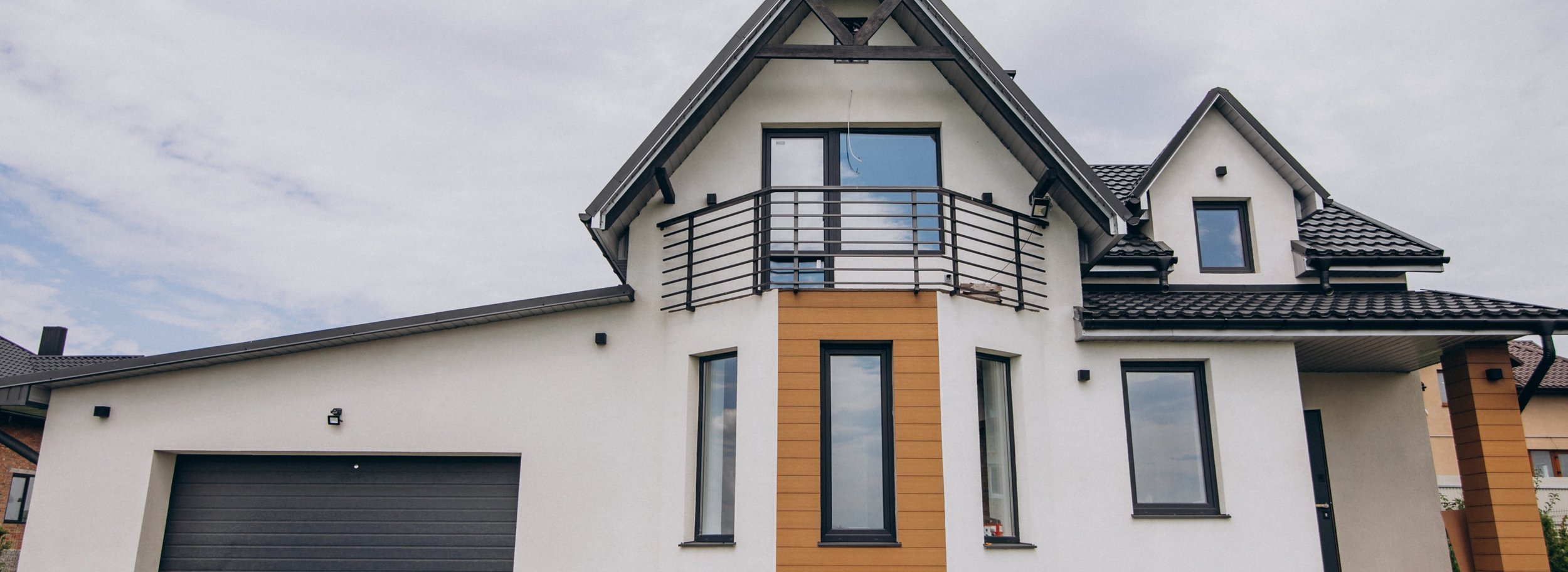
A roof rarely fails all at once. It gets old in one place first, usually somewhere you cannot see from the ground, and the question is whether that spot is an isolated repair or the first sign the whole system is finished.
How long a roof lasts here
New Jersey is hard on roofs. We get real freeze and thaw cycles, ice at the eaves in the north of the state, summer heat, and coastal wind along the shore. Those conditions shorten the optimistic lifespans printed on a shingle wrapper.
As a working guide in this climate: three-tab asphalt gives you somewhere around 15 to 20 years, architectural shingles 20 to 30, standing seam metal 40 plus, and slate longer than most owners will be in the house. A flat TPO or EPDM roof sits nearer 15 to 25, and depends far more on how well the seams and drainage were detailed than on the membrane itself.
Signs that point to replacement
- Granules collecting in the gutters, in quantity, every time it rains
- Shingles curling or cupping at the edges across whole slopes, not just one area
- Daylight visible through the roof boards from inside the attic
- Decking that feels soft underfoot, or sags visibly between rafters
- You are on your third or fourth repair in two years
That last one is the honest test. Repairs are cheap individually and expensive in sequence. If a contractor has been back three times, the roof is telling you something and so is the invoice pile.
Signs that point to repair
A leak around a chimney, a few shingles lifted after a windstorm, damage confined to one slope or one valley: these are repairs, and a contractor who tries to sell you a full replacement for any of them is selling rather than diagnosing.
Flashing is the single most common culprit in a roof that leaks but is not old. Where the roof meets a chimney, a wall or a skylight, the shingles are not doing the waterproofing, the flashing is. Flashing that was never installed properly will leak on a five year old roof, and replacing the whole roof without fixing the detail will leak again.
The one thing that quietly kills roofs early
Ventilation. A roof that cannot breathe cooks its own shingles from underneath in summer and traps moisture in winter. Attics that are under-vented shorten shingle life by years, and the homeowner blames the shingles.
If your attic is noticeably hot in summer or shows frost on the underside of the decking in winter, the ventilation is inadequate. Fixing it during a roof replacement costs very little. Fixing it afterwards means opening the roof again.
Timing it
If your roof is inside its last five years and you are already paying for repairs, replacing it on your schedule is cheaper than replacing it in February after a leak has soaked the ceiling. The emergency version of this job always costs more, and it always involves interior repairs that the planned version does not.
Sources
Ready to Upgrade Your Home's Exterior?
Call 908-880-2500 for a free, no-pressure estimate on your next roofing, siding, or exterior project across Morris, Sussex, and Union County.
Get A Free Quote