

Ice Dams: Why They Happen, and Why the Fix Is Not on the Roof
If you are on a ladder with a hammer, you are treating a symptom. The cause is about ten feet below you, in the attic.
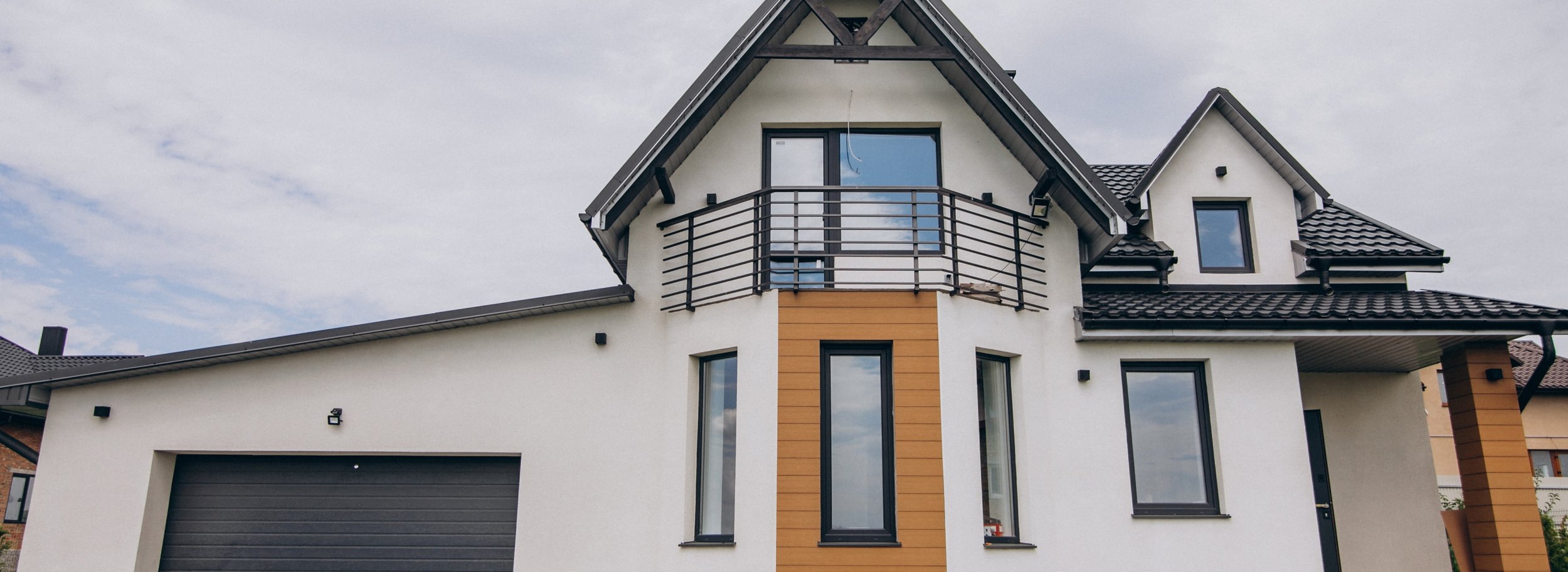
Every January, North Jersey fills up with photographs of houses wearing a row of icicles along the gutter. They look like winter is supposed to look. What they actually show is a house losing heat through its ceiling, and a roof with standing water sitting behind a wall of ice.
Ice dams cause some of the most expensive interior damage we see, and almost every homeowner tries to fix them in the wrong place.
What is actually happening up there
An ice dam needs three things at once: snow sitting on the roof, freezing temperatures outside, and heat escaping from the house into the attic. That third one is the variable you control.
Warm air leaks out of the living space into the attic and heats the underside of the roof deck. The snow lying on the warm part of the roof melts. The meltwater runs down the roof until it reaches the eaves, which overhang unheated air outside the building and stay cold. There, it refreezes. Do that for a few days and the refrozen water builds a ridge of ice along the edge of the roof, and every subsequent bit of meltwater backs up behind it.
So it is not your roof's fault
This is the conversation we have every winter. A homeowner with ice dams calls about a new roof, and the new roof will not fix it. Put perfect shingles on a house that leaks heat into the attic and you will have ice dams on a brand new roof the following January. The roof is where the symptom appears. The cause is the ceiling plane below the attic.
Fix it in this order. The order is the whole point
One: seal the air leaks
The Building America Solution Center is unambiguous that fully sealing the ceiling plane is the most important step, because it stops the warm air getting into the attic in the first place. Everything else is secondary to this.
The leaks are rarely where people expect. They are at recessed light housings, around electrical wiring penetrations, around plumbing stacks and vents, at bath and kitchen exhaust fans, along the top plates of interior walls, at drywall seams, and, very often, around an uninsulated and unweatherstripped attic hatch.
Two: insulate
Once the air leaks are sealed, insulation does its actual job, which is slowing heat conduction through the ceiling. Do it in this order and not the other way round. Insulation laid over unsealed penetrations does not stop air movement, it just hides where the air is moving. This is the single most common well intentioned mistake we find: a homeowner who added a foot of insulation, still has ice dams, and now cannot see the leaks.
Three: ventilate
The goal of roof ventilation in a cold climate is simple and counterintuitive: keep the roof deck cold, so that whatever heat does get past the first two steps is carried away before it melts snow. That means a continuous path from soffit intake, along under the deck, to ridge exhaust, with at least a two inch air gap between the top of the insulation and the underside of the deck, held open with baffles.
The failure we find most often is insulation stuffed into the soffits, blocking the intake completely. A ridge vent with no intake below it is not a ventilation system, it is a hole in the roof. Air has to come in somewhere for anything to come out.
The backstop: ice barrier at the eaves
Self adhering membrane along the eaves is a code requirement in a lot of places and it is standard on every roof we install here. It is worth being clear about what it does. It does not prevent ice dams. It is the layer that stops a dam that does form from putting water into your ceiling. It is insurance, not a cure, and it only exists on the part of the roof where it was installed.
What not to do
- Do not chip at the ice with a hammer, an axe or a chisel. You will take shingles and gutter with it, and the roof is more fragile cold
- Do not throw rock salt on the roof or fill socks with it. Chloride salts attack metal flashing, gutters and fasteners
- Do not treat heat cables as the solution. They melt a channel through a dam and they run on your electricity bill all winter. They are a bandage on a house that is still losing heat
- Do not add insulation without sealing first, for the reason above
- Do not assume a bigger gutter will help. It will not
And gutters do not cause ice dams
They get blamed every year. A gutter packed with ice is a consequence of the dam above it, not the reason the dam formed. Removing the gutters entirely would not stop an ice dam, because the ice forms on the cold overhang of the roof whether there is a gutter under it or not. Clean gutters are still worth having, just not for this.
What we look at
When we come out for ice dams, we spend more time in the attic than on the roof. We are looking for daylight, for dirty insulation, which marks where air has been moving through it for years, for blocked soffits, for bath fans venting into the attic instead of outside, and for the condition of the deck above the eaves.
Sometimes the answer is roof work. Often it is air sealing and ventilation, which is cheaper than a roof and fixes the actual problem. We will tell you which one you have. Call 908-880-2500.
Sources
- Building America Solution Center, Pacific Northwest National Laboratory, Attic Air Sealing, Insulating and Ventilating for Ice Dam Prevention
- Building Science Corporation, Building Science Digest 135, Ice Dams, John Straube
- Minnesota Department of Commerce, Home Energy Guide, Attic air leaks equal ice dams
More from the Journal
- Fiber Cement or Vinyl? Choosing Siding for a New Jersey Home
- Can You Replace a Roof in Winter in New Jersey?
- Storm Damage and Your Roof: What to Do First in New Jersey
- What Separates a Good Exterior Job From a Cheap One
- Gutters That Actually Work in North Jersey
- When to Replace Your Roof, and When to Repair It
- How to Check a New Jersey Contractor Before You Sign
- What a Roof Replacement Actually Costs in New Jersey
Ready to Upgrade Your Home's Exterior?
Call 908-880-2500 for a free, no-pressure estimate on your next roofing, siding, or exterior project. Based in Hillside, serving homeowners throughout New Jersey.
Get A Free Quote